
Becoming a certified caregiver in Kenya is one of the most reliable and practical pathways into the healthcare sector. With increasing demand for trained caregivers in hospitals, home-based care, elderly care facilities and community health programs, caregiving offers strong local and international job opportunities.
This 2026 guide explains who a caregiver is, entry requirements, certification options, fees considerations and career opportunities, helping you make an informed decision.
Who Is a Caregiver?
A caregiver, also known as a Health Care Assistant (HCA), supports patients with daily living activities and basic healthcare needs under the supervision of nurses and doctors.
Typical responsibilities include:
- Assisting patients with hygiene and mobility
- Monitoring vital signs
- Supporting nutrition and feeding
- Providing emotional and psychosocial support
- Caring for the elderly, disabled, and chronically ill
Caregivers play a critical role in healthcare delivery across Kenya and abroad.
Step 1: Meet the Entry Requirements for Caregiver Training in Kenya
Caregiver courses in Kenya are designed to be accessible.
Minimum Requirements:
- KCPE certificate or KCSE any grade
- Passion for healthcare and helping others
- No prior medical or healthcare experience required
This makes caregiving one of the best marketable courses after KCSE for students seeking fast entry into employment.
Step 2: Enroll in an Accredited Caregiver Training Institute
Choosing the right institution is critical. Always ensure the college is TVETA and CDACC aligned for recognition and employability.
GoCare Training Institute offers:
- Certificate in Caregiving / Health Care Assistant
- TVET CDACC Caregiving Level 4 & NITA Caregiving Level II
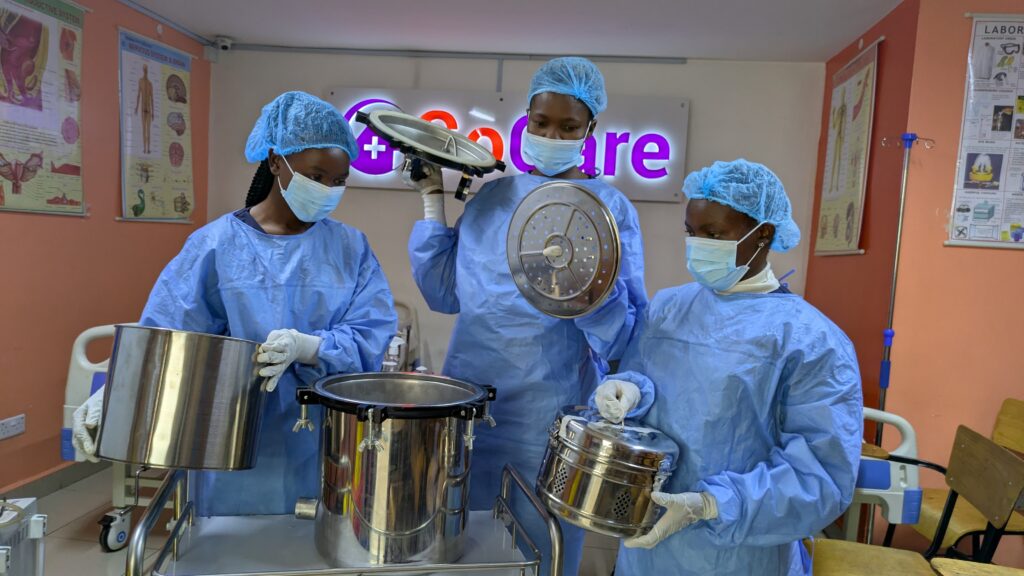
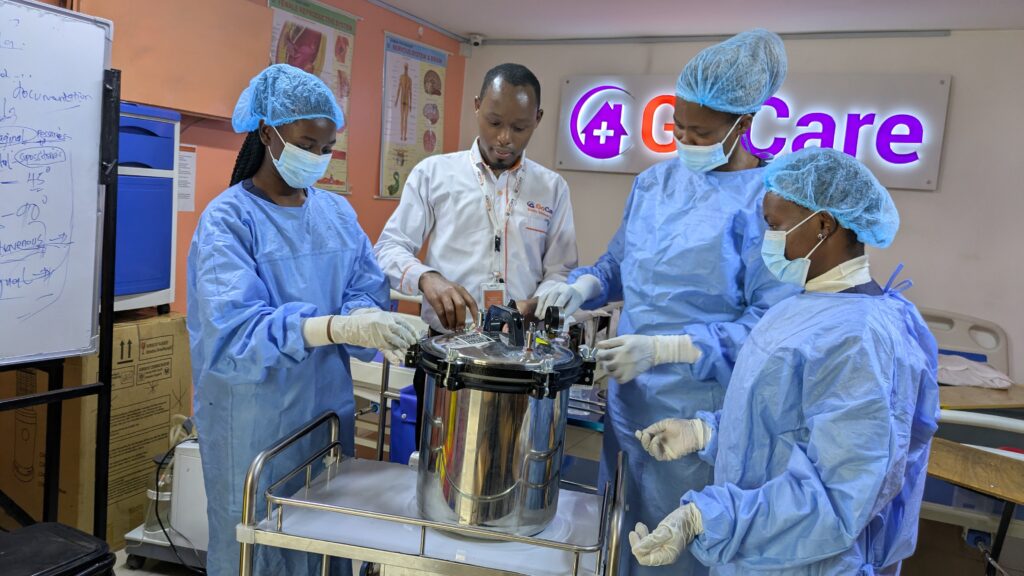
- Training aligned with real clinical and workplace environments
Accreditation ensures your certificate is recognized by employers and regulatory bodies.
Step 3: Essential Caregiving Skills You Will Learn
Professional caregiver training covers both theory and practical skills, including:
- Patient hygiene and mobility assistance
- Vital signs monitoring
- Infection prevention and control
- Nutrition and feeding support
- Elderly care and disability support
- Professional ethics and communication skills
Hands-on practical training is essential for confidence and employability.
Step 4: Caregiver Certification Options in Kenya
Depending on your career goals, you may pursue:
- Certificate in Health Care Assistant / Caregiving
- TVET CDACC Caregiving Level 4 & NITA Caregiving Level II
These certifications improve job prospects in:
- Hospitals and clinics
- Home-based care
- NGOs and community health programs
- International caregiving opportunities
Step 5: Career Opportunities After Caregiver Certification
Certified caregivers in Kenya can work in:
- Public and private hospitals
- Home-based and private care settings
- Elderly and assisted living facilities
- Community health and outreach programs
With experience, caregivers can advance into supervisory roles, nursing pathways, or international placements.
Caregiver Course Fees in Kenya: What You Need to Know Before Applying
One of the most searched questions online is:
“How much does a caregiver course cost in Kenya?”
Do Caregiver Courses Have Fixed Fees?
Not always. Fees depend on several factors:
- Course level (Certificate or TVET CDACC)
- Duration of training
- Practical and clinical exposure
- Certification pathway
Many professional institutes use consultation-based fee structures to guide students accurately.
What to Consider Beyond Caregiver Course Fees
Instead of focusing only on cost, evaluate:
- Accreditation and national recognition
- Quality of practical training
- Career guidance and support
- Campus facilities and accessibility
Quality training directly impacts job placement and long-term success.
Why Choose GoCare Training Institute for Caregiver Training?
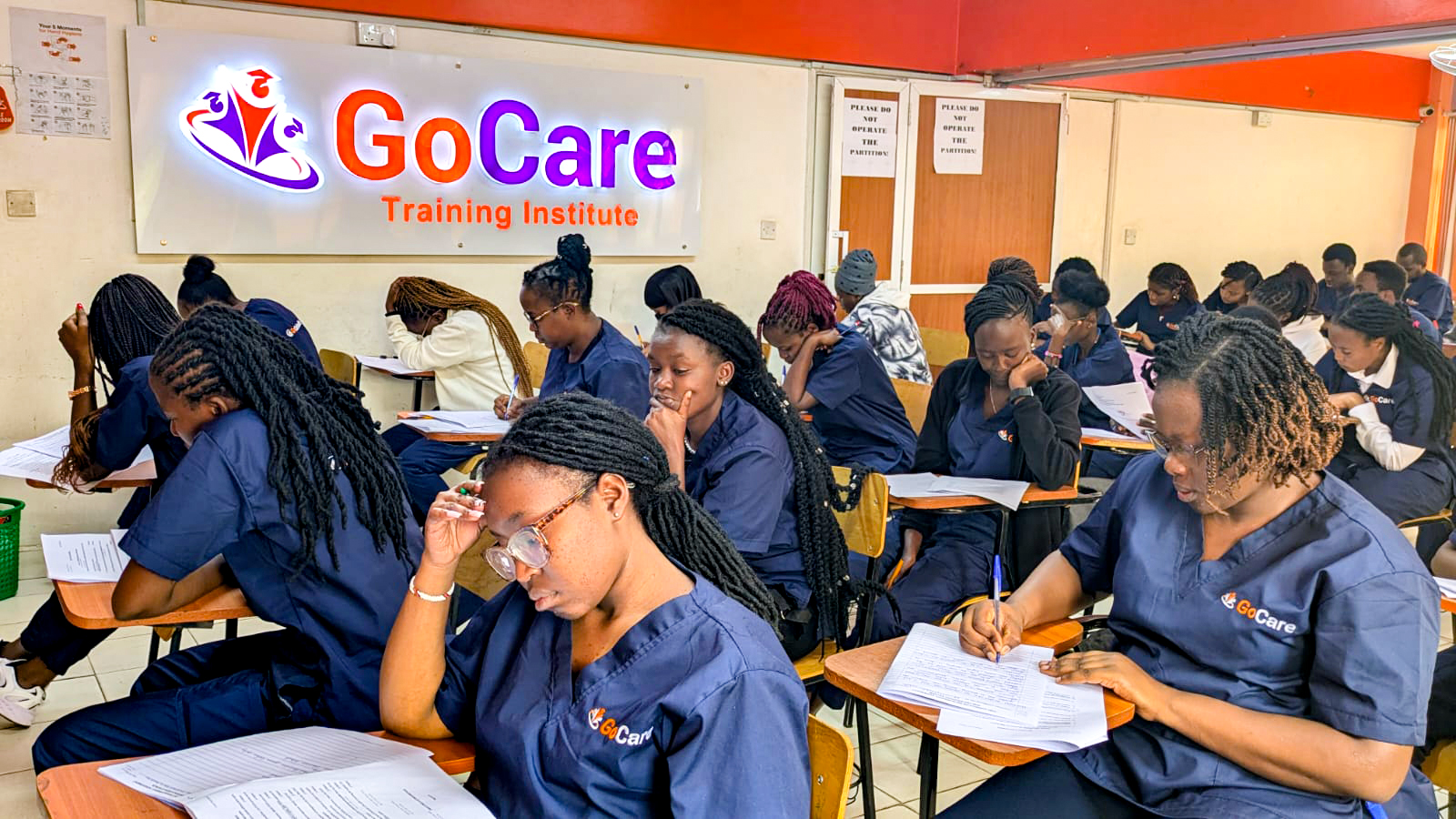
GoCare Training Institute is trusted for professional caregiver training because of:
- Experienced and qualified trainers
- Practical, hands-on learning approach
- Campuses in Nairobi CBD and Ruiru (Thika Road)
- Flexible learning options for students
Admissions teams guide applicants through course selection, certification options, and career pathways.
How to Get Accurate Caregiver Course Fees in Kenya
For correct and updated caregiver course fees:
- Visit the campus
- Speak with admissions officers
- Request official guidance based on your qualifications
Final Thoughts
Caregiving is a high-demand, skills-based career with strong growth in Kenya and internationally. By enrolling in an accredited institution and choosing the right certification pathway, you position yourself for stable employment and career progression in healthcare.
Admissions are ongoing at GoCare Training Institute. Start your caregiver career today.


2 thoughts on “How to Become a Certified Caregiver in Kenya 2026”
I want to join online class for the course of caregiver with k.c.p.e certificate
Hello! Thank you for showing interest in Training with us.
Kindly Whatsapp us on
https://wa.me/message/TT6HNAKMVNGJF1 or call us on 0745226508 for fee structure or further assistance.
We are located in Nairobi CBD Gatkim Complex 4th floor and Thika Rd, Ruiru Kamakis near Greenspot Gardens.
^IW